What Evidence Should I Collect After a DUI-Related Crash?
What Evidence Should I Collect After a DUI-Related Crash?
After a collision involving an impaired driver, a victim’s physical pain may be compounded by anger and a sense of injustice. Our DUI accident lawyers at Chelli & Bush, Attorneys at Law, know that navigating the aftermath of a crash can be traumatic. For more than 50 years, our team has helped clients in Staten Island, Brooklyn, and surrounding communities find the justice and compensation they need and deserve. This guide helps you understand how to collect DUI evidence to hold negligent motorists accountable and secure the financial support your family needs to heal and move on.
Key Takeaways
- Your health is a priority—Seek medical care immediately, even for minor symptoms.
- Every detail counts—From documenting the driver’s behavior to taking photos of vehicle damage, collecting evidence at the scene is vital.
- Experience is essential—Navigating the intersection of a criminal DUI charge and a civil personal injury claim requires experienced legal representation.
- Accountability matters — Holding a DUI driver accountable for the harm they cause may prevent others from being hurt in the future.
- Track record of success —Over the past five decades, our Staten Island personal injury lawyers have helped clients recover more than $500 million in damages.
Safety First
After any accident, your well-being should be your main concern. If you’re in a dangerous spot, get to safety and call 911 immediately. Even if you feel fine, go to the ER or seek medical attention as soon as you can. Life-threatening conditions like internal bleeding and traumatic brain injury may not be apparent right away. Medical records also provide an immediate link between the crash and your injuries, which is vital to support a car accident claim.
Evidence to Collect at the DUI Accident Scene
If you’re able, gathering evidence at the scene can provide invaluable proof of what happened and who is at fault. If you’re seriously injured or unable to move, ask a passenger or witness to gather evidence for you.
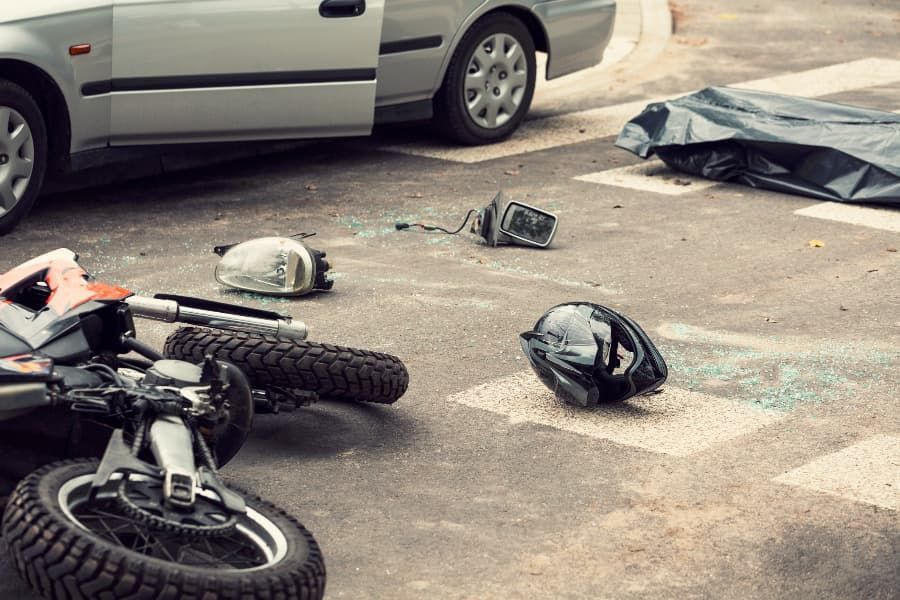
Visual proof provides some of the most solid DUI evidence. Take photos of:
- Position of the cars
- Damage to vehicles
- Skid marks and road conditions
- Signs and traffic signals
- Your injuries
- DUI evidence, such as photos of bottles or drug paraphernalia in or around the vehicle
When you speak to police, make sure to let them know if you suspect a driver is under the influence. Witnesses can also provide powerful testimony regarding a driver's erratic behavior or slurred speech, so it’s important to speak to them and get their information if you can.
Official Records and Documentation
To prove a driver was under the influence when a crash happened, our Staten Island DUI accident attorneys also gather official reports and other documentation.
Police Reports
If you can’t get a copy of the police report at the scene, your personal injury lawyer can obtain it. A police report usually provides officers’ observations of the other driver’s behavior and witness statements, so it’s a vital piece of evidence in any car accident claim.
Blood Alcohol Level (BAC) and Toxicology Test Results
A DUI driver may have to take a breathalyzer and/or blood tests. BAC and toxicology test results can be a cornerstone of a DUI injury case, as they provide scientific proof of a motorist’s inability to safely operate a vehicle.
Under the legal principle of negligence per se, a violation of the law can be used as direct evidence of negligence. That’s why evidence like police reports and toxicology results are so important — they provide the objective proof your DUI accident lawyer can use to demonstrate liability.
Medical Documentation
Your medical records are the roadmap of your recovery and a testament to the physical and emotional toll the crash has taken on your life.
- Emergency and follow-up care—While a visit to the ER documents the immediate impact of your injuries, consistent treatment with specialists and therapists captures the true extent of the trauma you’ve endured.
- Pharmacy and rehabilitative records—Proof of the medications and physical therapy required for your recovery provide an objective look at the hurdles you face.
- Personal symptom diary—Our DUI accident lawyers encourage you to keep a daily log about how you feel physically and mentally. Noting your pain levels, missed events and milestones, and the emotional toll impact of your injury tells the human story behind the medical jargon.
Preserving Digital Evidence After a DUI Accident
In many DUI cases, modern technology also provides compelling evidence, but it must be preserved quickly before it’s overwritten or deleted.
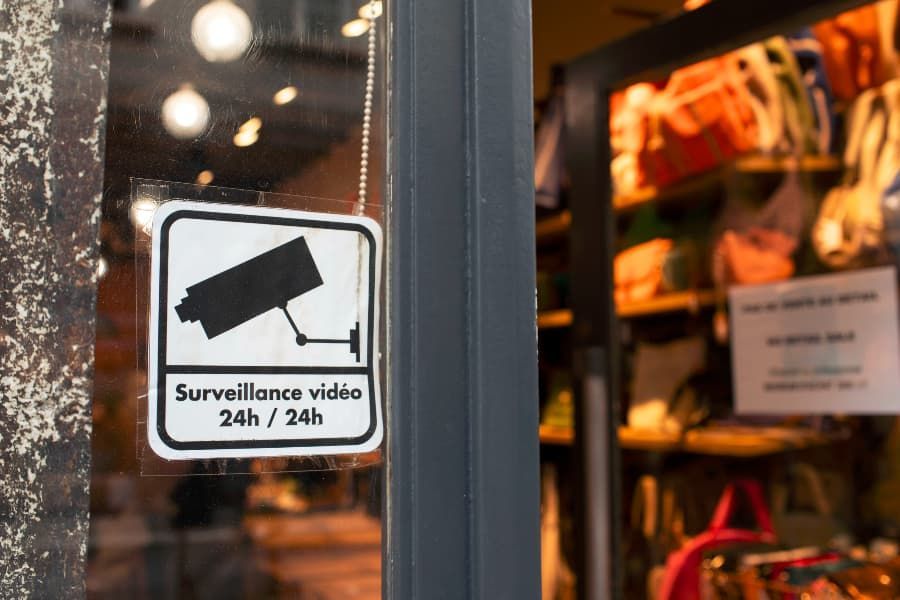
- Surveillance and traffic cameras—Traffic and security cameras may have captured a DUI driver’s erratic behavior blocks away or at an establishment they patronized before the wreck.
- Dashcam footage—Video from your own vehicle, the DUI driver, or other motorists who witnessed the crash can provide a clear, real-time perspective of the collision.
- Audio dispatch—Recordings of 911 calls can be powerful evidence, especially if other motorists reported a suspected DUI driver before the crash occurred.
- Vehicle data—Most modern cars contain an Event Data Recorder (EDR) that records speed, braking, and steering patterns at the moment of impact. A personal injury attorney can take immediate legal action to preserve "black box" data, which is particularly essential in commercial truck accident cases involving impaired drivers.
- Cell phone records—Subpoenaing cell phone records quickly helps secure evidence that can show whether an impaired driver was also distracted at the time of the crash. Text messages may provide proof that they had been drinking or using drugs before getting behind the wheel.
Common Pitfalls to Avoid After a DUI Accident
Even with strong evidence, certain mistakes can jeopardize your claim. Make sure to get prompt medical attention and follow all treatment recommendations. Avoid posting on social media, or better yet, deactivate your accounts until your case is resolved.
Never give a statement to an insurer, sign anything or accept a settlement before speaking to a DUI accident lawyer. Anything you say can be twisted to shift blame onto you. DUI cases involve complex criminal and civil legal issues that can impact your claim. Our personal injury lawyers offer free, no-obligation consultations and can evaluate your case without any upfront cost or risk to you.
Why Choose Our Staten Island DUI Accident Lawyers?
- Decades of local experience—We care about our communities, understand the local courts, and have longstanding professional relationships with fellow attorneys, insurance adjusters, and experts.
- More than $500 million recovered—Our client testimonials and track record of success speak to our dedication and results.
- Compassionate advocacy—Our firm handles hundreds of personal injury cases each year, and provides responsive, personalized representation you can trust.
- Patient and strategic approach—We take on large insurance companies with the strength and resources required to secure the justice you deserve.
Contact a DUI Accident Attorney Near You in Staten Island, NY
At Chelli & Bush, Attorneys at Law, our team handles the burden of gathering evidence and dealing with insurers so you can focus entirely on your recovery. To schedule a free consultation with a DUI accident lawyer near you in Staten Island, NY, contact us or call 718-987-8444. We serve clients in Staten Island, Brooklyn, and surrounding areas.
Frequently Asked Questions about DUI Accident Cases
How much does a DUI accident attorney cost?
Our personal injury attorneys take case on a contingency fee basis. This means you don’t incur any upfront costs, and we only get paid if we win your case.
How do I get the police report and BAC results after a DUI accident?
You can request the accident report through the NYPD or the New York DMV website. Our team will obtain documentation from any criminal proceedings, which usually include police reports, BAC, toxicology results, and other evidence.
Can 911 recordings help prove intoxication?
Yes. These recordings can provide evidence of erratic driving or witness accounts of the driver’s physical state at the scene.
Can a bar or restaurant be liable for a DUI crash?
Under New York dram shop law, you may be able to file a claim against a business or host that served an already visibly intoxicated person.